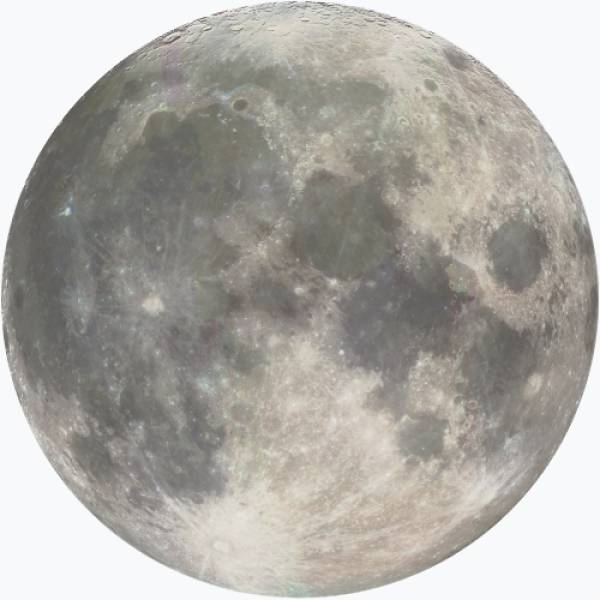
The Full Moon
The full moon has great cultural and symbolic significance in many traditions.
Native Americans, for example, gave names to each full moon to mark the different seasons and harvest times. Christians celebrate the Easter full moon, which falls on the Sunday following the first full moon of spring.
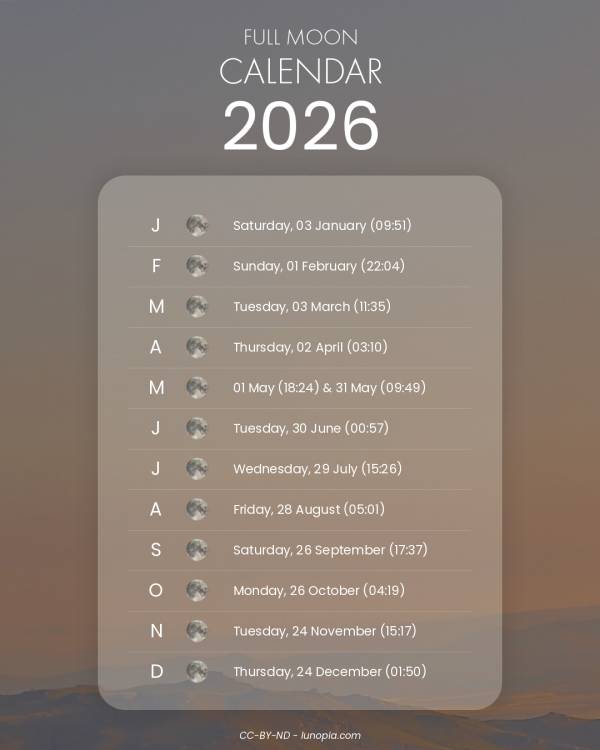
Full moon calendar:
| Month | Year | Day | Time |
|---|---|---|---|
| January | 2026 | saturday, 03 January | 09:51 |
| February | 2026 | sunday, 01 February | 22:04 |
| March | 2026 | tuesday, 03 March | 11:35 |
| April | 2026 | thursday, 02 April | 03:10 |
| May | 2026 | friday, 01 May | 18:24 |
| May | 2026 | sunday, 31 May | 09:49 |
| June | 2026 | tuesday, 30 June | 00:57 |
| July | 2026 | wednesday, 29 July | 15:26 |
| August | 2026 | friday, 28 August | 05:01 |
| September | 2026 | saturday, 26 September | 17:37 |
| October | 2026 | monday, 26 October | 04:19 |
| November | 2026 | tuesday, 24 November | 15:17 |
| December | 2026 | thursday, 24 December | 01:50 |
Next full moon date:
The next full moon will take place on saturday, 26 September 2026 at 17:37 (in 5 days).
What is the September full moon called?
The September full moon is called the Harvest Moon.
Called Harvest Moon because it corresponds to the grape harvest period in many wine regions. This full moon is also known as the "Harvest Moon" if it falls earlier in the month. It is a time of celebration of harvests, with festivities and harvest celebrations in many cultures.